

D365 Using external item identifiers to add products to orders
D365 Use external item identifiers to add products to orders
Organizations can now enhance order precision and accelerate fulfillment processes by enabling order processors to locate products using widely recognized external identifiers. Whether utilizing global standards such as GTIN, UPC, or EAN, or leveraging customer-specific product codes, teams can identify items more efficiently and minimize data entry errors. This capability optimizes operational workflows and facilitates smooth integration with marketplace platforms and supplier systems.
System Requirements
To activate and utilize the functionalities outlined in this article, the following prerequisites must be met:
- Deployment of Microsoft Dynamics 365 Supply Chain Management, version 10.0.45 or higher.
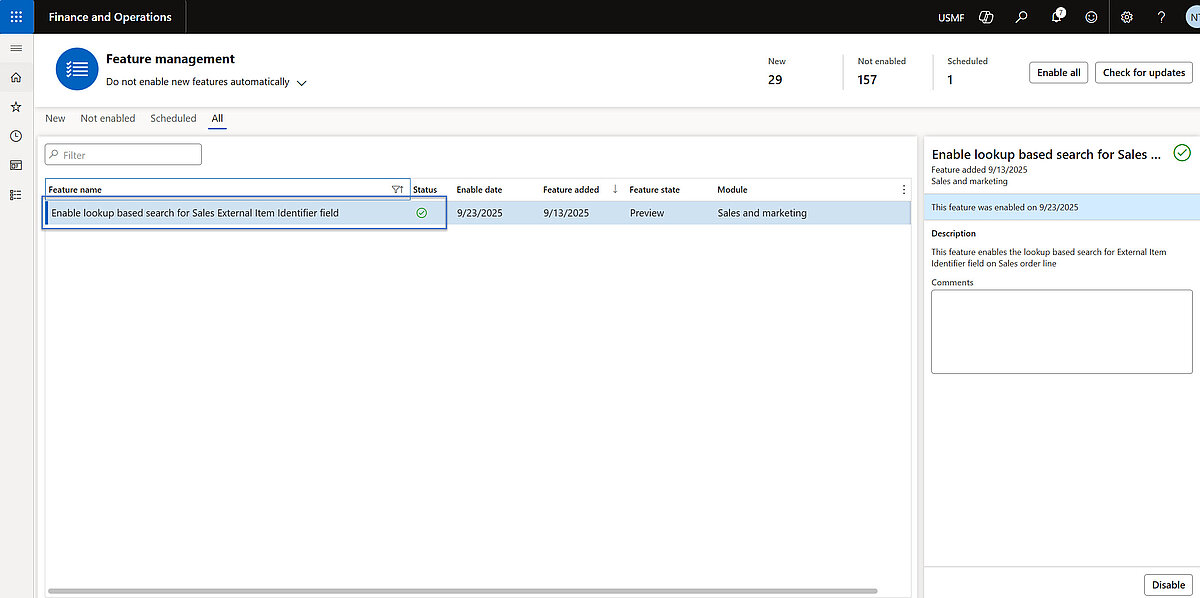
- Activation of the feature titled Enable lookup-based search for Sales External Item Identifier field within the Feature Management workspace.
Facilitate product identification and optimize system integrations by enabling order processors to search for items using external product identifiers. These identifiers—such as product names or codes—may differ from those maintained internally within the organization.
To support clearer communication with individual customers, organizations can configure customer-specific identifiers that align with the naming conventions and item codes familiar to those customers.
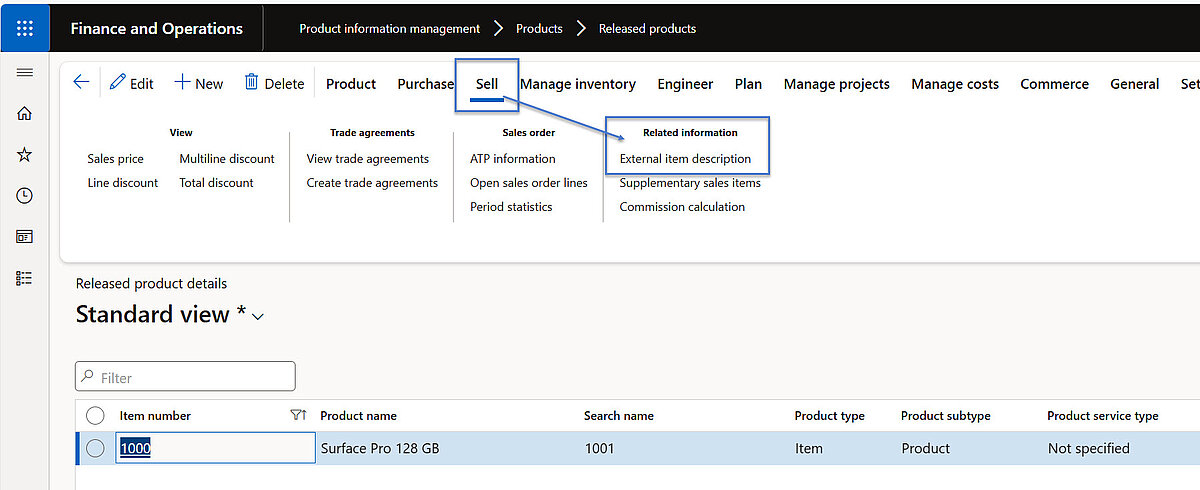
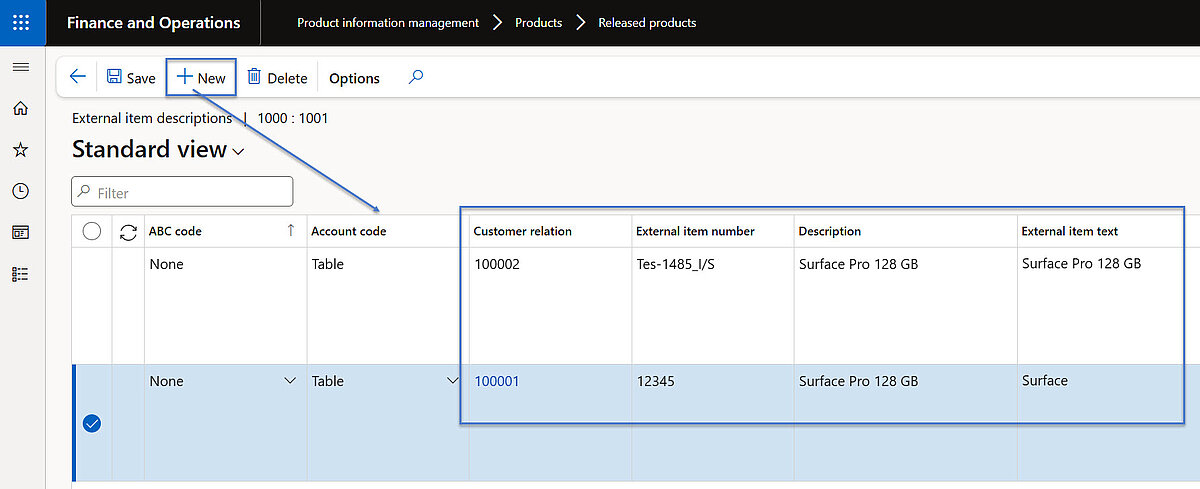
External Item IDs and corresponding descriptions can be entered within the product master data, with the relevant customer account specified to ensure accurate association.
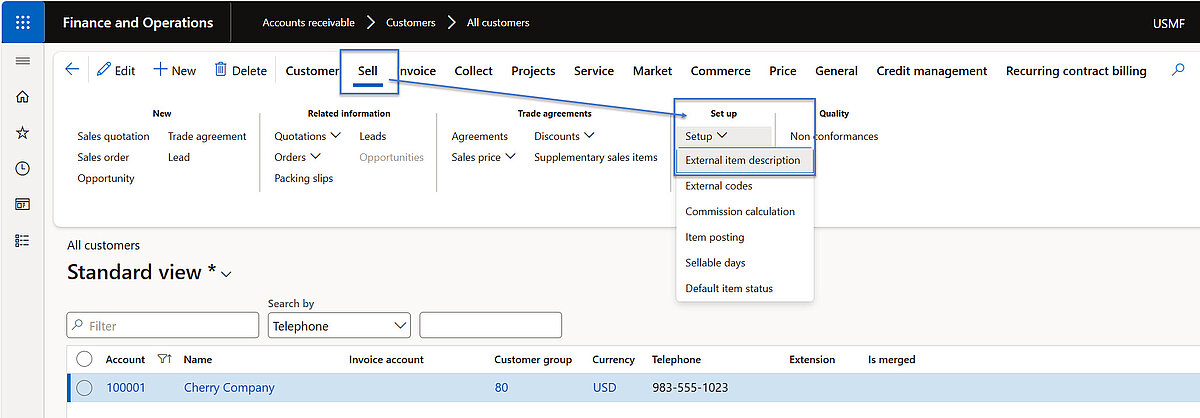
Alternatively, external item identifiers and descriptions can be maintained within the customer master data by specifying the corresponding item.
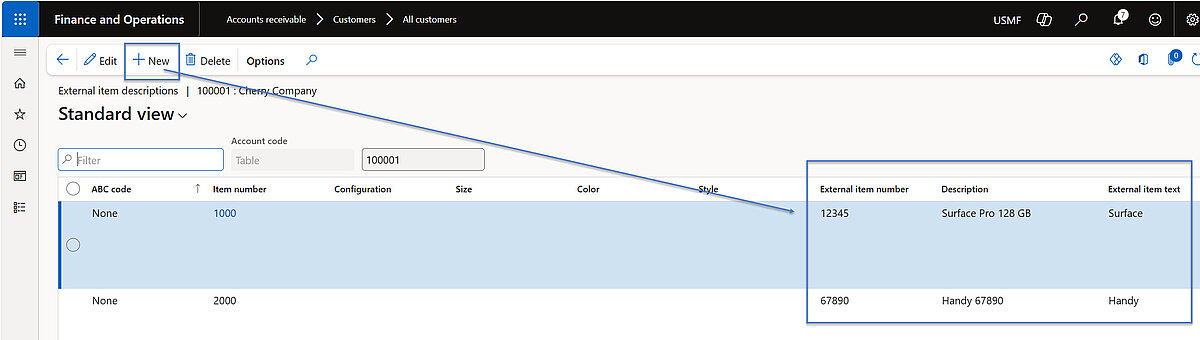
Once external item identifiers have been configured, order clerks and processors can utilize them to efficiently locate products when entering line items on a sales order.
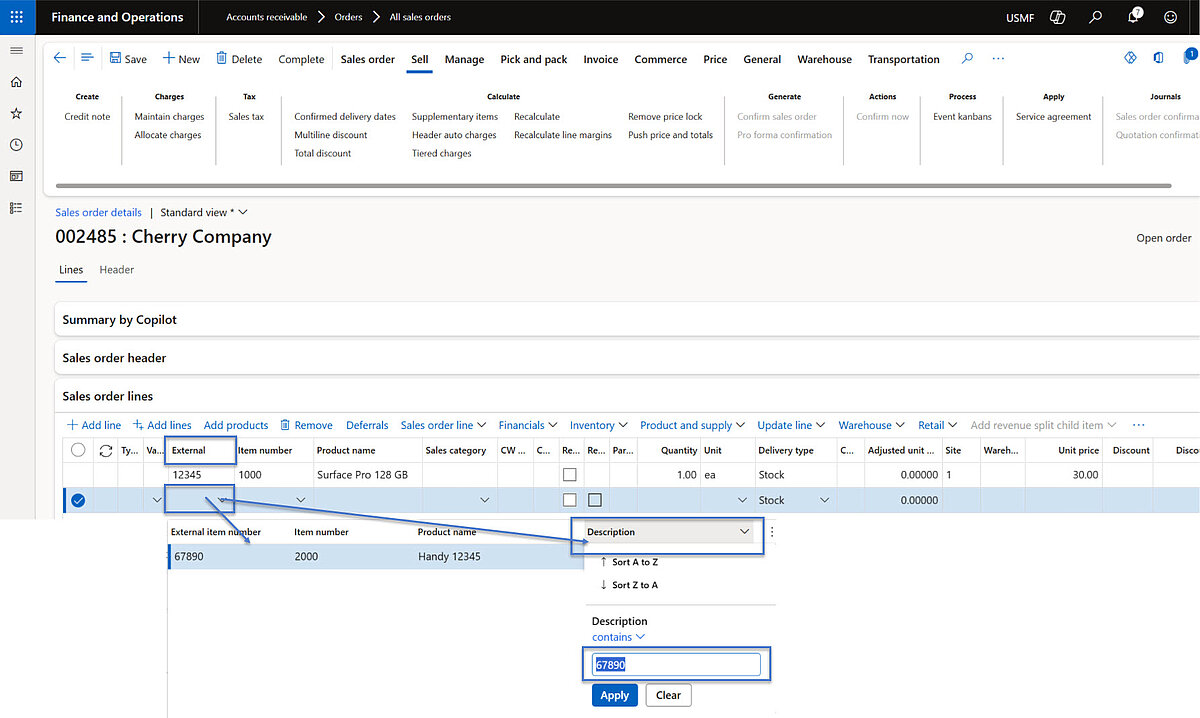
This improves accuracy during order entry, reduces mismatches, and supports seamless data exchange with third-party platforms like marketplaces or supplier catalogs. It also enhances the user experience by enabling faster, more reliable product lookup and supports compliance with marketplace listing standards.